
Introduction
Every valve in a system eventually fails at the seal before anywhere else. This is not bad luck; it is simply how these components are designed to work, sacrificing themselves gradually so the rest of the valve stays protected. Understanding what shortens or extends the life of valve seals helps you plan maintenance properly, rather than being caught off guard by a leak on a busy production day.Material Choice and Why It Decides Everything Else
The material used in valve seals sets the ceiling on how long they can realistically last, no matter how well everything else is managed afterward.- PTFE seals handle a very wide range of chemicals and hold up well across changing temperatures, which is why they show up so often in chemical processing valves.
- Rubber valve seals, made from compounds like nitrile, EPDM, or Viton, suit different media and temperature ranges, and picking the wrong one is one of the most common causes of early failure.
- Metal seals, used in stainless steel or bronze valves, cost more upfront but genuinely outlast rubber or plastic options in high-temperature or high-pressure work.
- Butterfly valve seals specifically tend to use rubber or elastomer materials because of how the disc rotates against the seal, and getting the hardness right matters a lot for how it wears over its cycles.
- A seal that looks similar to another one is not automatically interchangeable. Even a small difference in compound can change how it holds up under your specific conditions.
Temperature and Pressure, the Two Silent Wear Factors
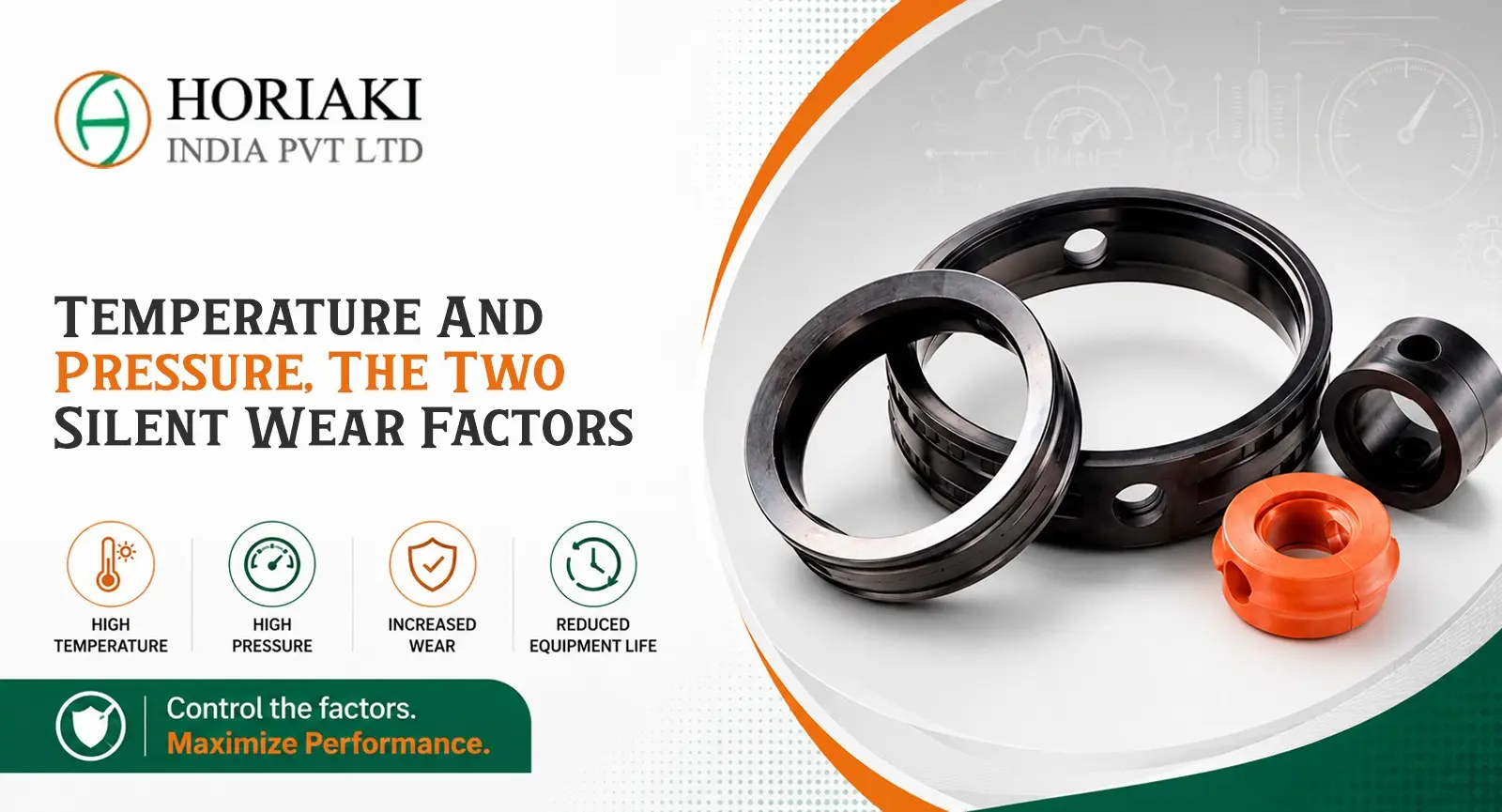 Temperature and pressure rarely get blamed directly for damaging valve seals, yet they quietly do more harm over time than most people realise.
- High temperatures cause many seal materials to harden and lose elasticity, and once that happens, small cracks form that eventually turn into leaks.
- Low temperatures cause a different problem. Some rubber compounds actually stiffen in the cold, losing the flexibility needed to maintain a proper seal against the valve body.
- Pressure cycling matters just as much as steady pressure. Repeated compression and relaxation wears down soft seals faster than constant, unchanging pressure would.
- Combining high pressure with high temperature is particularly hard on soft seals, since the material can deform permanently rather than simply wearing down gradually.
- Checking your seal’s rated temperature and pressure range against your actual operating conditions is a basic step, but it gets skipped surprisingly often.
Chemical Exposure and What It Does Over Time
What flows through the valve matters just as much as how hot or pressurised that flow is, and this is often where valve seals face their toughest test.- Acids, bases, and solvents degrade seal material at very different speeds depending on the compound, and a seal rated for one type of chemical may fail quickly against another.
- Fluorocarbon elastomers resist most aggressive chemicals well, but even these can swell or break down when exposed to certain compounds like hot water or specific organic bases.
- Contaminated media containing sediment or hard particles accelerates wear through abrasion, gradually scratching and roughening the seal surface with every cycle.
- Poor chemical compatibility does not always show up immediately. Sometimes a seal degrades slowly over months before a leak finally appears, which makes early inspection worth the effort.
Operating Conditions That Speed Up Wear
Beyond material and chemistry, how a valve actually gets used in daily operation plays a big role in seal durability.- Valves that get cycled frequently see more mechanical wear on the seal surface than ones that stay mostly open or closed, simply because there is more friction happening more often.
- Poor installation, including misalignment or excess torque during fitting, can cause uneven stress on the seal from day one, shortening its life before it has even done real work.
- Vibration in the surrounding pipework or equipment adds ongoing mechanical stress that a seal was never really designed to absorb.
- Water quality matters too, in ways people often overlook. Hard water and mineral deposits build scale over time, and that buildup increases friction and speeds up valve seal wear.
Maintenance Habits That Actually Extend Life
None of the factors above are fully avoidable, but good maintenance genuinely slows down how fast valve seals wear out.- Periodic checks, generally every three months for valves under demanding conditions, catch early signs of wear before they turn into a full failure.
- Testing for proper closure, checking for internal or external leaks, and confirming stable torque are all part of a proper inspection routine, not just a quick visual glance.
- Correct installation alignment, done right the first time, prevents a lot of the premature wear that shows up later as an unexpected leak.
- Keeping a maintenance log for each valve helps you spot patterns, such as one location wearing seals faster than others, which usually points to a deeper environmental issue worth investigating.
- Overall Valve System Reliability depends less on any single fix and more on consistent, scheduled attention across every valve in the system, not just the ones that have already failed once.
Where Horiaki India Private Limited Fits Into This
Seals wearing out faster than they should is usually a sign that the material or design was never quite right for the job in the first place. Horiaki India Private Limited manufactures a range of valve seals built to handle demanding temperature, pressure, and chemical conditions across industrial applications. Sharing your specific operating conditions with their team is often the fastest way to find out what would actually suit your setup better.Frequently Asked Questions

Horiaki India Private Limited
Horiaki India Private Limited was established in the year 1998 with an aim to manufacture and supply premium rubber bonded products in India as well as the international market.