
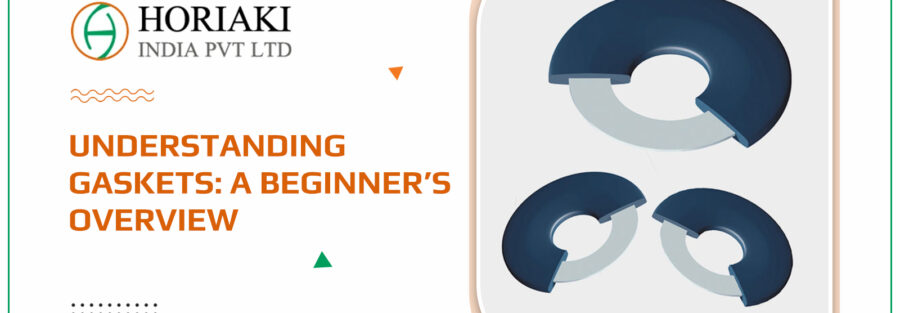
Rubber gaskets are unique mechanical seals that prevent leakage between two surfaces. This article will walk you through the basics of a rubber metal gasket, including how they operate and why they are utilized.
What is a Rubber Metal Gasket?
An EPDM gasket seal covers the gap between two substrate portions, preventing liquid or gas leaks and capping the intersection of two surfaces. This versatile component may be used for a variety of purposes.
Rubber gaskets’ features include:
- anti-vibration,
- support mounts,
- noise reduction,
- Sealing (the most popular usage)
These gaskets are most typically seen between two sections of pipe. Gaskets may also be used to provide a barrier between two items, such as two metals or chemicals, and they are frequently employed to protect against outside factors, such as moisture and dust, as seen in camera lenses.
What materials may be used to create gaskets?
Rubber metal gaskets can be manufactured to conventional specifications or customized to meet the demands of the application. They come in many forms and sizes and may be made from a variety of materials. These include a wide range of conventional polymers; gasket sheet materials such as synthetic, silicone, and high-performance engineered rubbers; and plastics such as Acetal and PTFE. The variety of materials available for gasket production assures that there is a gasket material to suit any application.
How Do Rubber Metal Gaskets Work?
A rubber gasket is a clever component that protects against both liquids and gases. They are an ideal choice for filling in gaps and connecting two surfaces. A gasket’s qualities include being manipulable and capable of warping into the tight space for which it is created.
Because of its different qualities, gaskets may be employed in a variety of sectors, including food processing, pharmaceuticals, water, petrochemicals, and oil and gas.
However, the gasket’s specialized properties will be determined by the material from which it is made. With this in mind, choose a rubber metal gasket material that has the features you wish to take advantage of.
How are rubber gaskets manufactured?
There are several procedures that may be utilized to manufacture a gasket that is suitable for its intended application and solves a variety of challenges, including gasket cutting, gasket punching, and rubber molding.
All rubber gaskets are created using the rubber moulding method. This procedure involves placing raw rubber compound into a mould and vulcanizing it under high pressure and temperature. Rubber may be molded in two ways: compression and injection molding.
Creating rubber gaskets using compression molding
Rubber compression molding is the simplest type of rubber molding. When the mould is closed and subjected to pressure and heat, the rubber material adopts the shape of the hollow. Rubber compression molds vary in size and shape and may create a wide range of molded products, not simply rubber gaskets.
Producing rubber metal gaskets via injection molding.
Injection molding may also be used to make rubber gaskets. This process involves inserting uncured rubber material into an injection barrel, which is subsequently warmed by an auger screw in a temperature-controlled barrel. The rubber is then injected into mould cavities using an injection press, with the auger screw spinning to replenish the injection barrel while the material cures in the heated mould.
Final Words
Hope this blog post gave you a better understanding of rubber metal gaskets and their basics. Horiaki India manufactures and supplies high-quality rubber components according to the clients’ demands. We have some of the most highly competent rubber moulding industry specialists working with and for us, and they are ready to manufacture a gasket type that meets your specifications.

Horiaki India Private Limited
Horiaki India Private Limited was established in the year 1998 with an aim to manufacture and supply premium rubber bonded products in India as well as the international market.